House Removals in Hyde

House removals in Hyde should feel organised, careful and straightforward from the first conversation to the final placement of furniture. We provide a practical removal service for people moving home, helping with the handling of boxed belongings, furniture and household items in a way that suits the size and pace of the move. The aim is simple: to make the process more manageable and to keep your possessions moving safely from one property to the next.
Our work covers the everyday parts of a home move as well as the more detailed parts that need attention, such as lifting awkward items, protecting surfaces and planning the order of loading. Home moves can involve a single flat, a family house or a property with a mix of heavy furniture and fragile pieces, so we adapt the approach to the job rather than forcing every move into the same pattern. That practical flexibility matters when time, access and contents all need to be handled sensibly.
If you are planning a move in Hyde, the best next step is usually to request a quotation once you know the type of property, the likely volume and any access points that may affect the work. A clear enquiry helps us understand the service needed and allows us to discuss the most suitable arrangement. You can also keep reading to see how the service is structured and where different moving options may fit.
What our house removal service covers
House removals are rarely only about transport. They often involve careful preparation, a sensible loading sequence and enough attention to keep both furniture and fittings in good condition while items are being moved. We work with household contents that may include bedrooms, living room furniture, kitchen equipment, books, ornaments and boxes packed by the customer or prepared as part of the move. The service is designed to support the full move rather than just the vehicle journey.
For many customers, the practical value lies in reducing the strain of handling larger items. Sofas, wardrobes, beds, tables and appliances need more than just strength; they need the right approach to lifting, carrying and positioning. House removals can be planned around access, stairways and the order in which rooms are cleared, so the move stays organised and the risk of avoidable knocks is kept down. Where items need extra care, they can be treated separately within the plan.
Before the day itself, it helps to think about what is being moved, which items need dismantling and whether there are any constraints at either property. If you have fragile items, bulky furniture or limited parking, mention these early so the work can be planned properly. A simple list of rooms, major items and any access concerns is often enough to start a useful conversation.
Packing, unpacking and careful handling

Packing is often what determines how smoothly a house move goes. Boxes that are sealed properly, labelled clearly and packed to a sensible weight are easier to load and unload, and they are less likely to shift in transit. We can help with packing and unpacking where required, so the work does not rely entirely on the customer having every item prepared in advance. That can be useful when time is limited or when the household contains a mix of ordinary and delicate belongings.
Packing and unpacking services are particularly helpful when there are breakables, mixed storage items or rooms that need to be settled quickly after arrival. The aim is not to overcomplicate the move, but to organise it in a way that protects contents and makes the transition easier. Good packing also supports smoother loading, because labelled and grouped boxes can be placed in a logical order on the vehicle.
Helpful preparation does not need to be difficult. In most cases, the most useful details are the number of rooms, the presence of large furniture and whether any item needs special attention. If you are gathering details for a quote, a short list is usually more practical than a long explanation. Once that basic picture is clear, the moving plan can focus on the important parts rather than guesswork.
Vehicle choice, loading and route planning
The right vehicle matters in a house move because it affects how efficiently the contents can be transported and how many trips may be needed. Some moves suit a smaller arrangement, while others need a larger removal vehicle to keep the load organised and reduce unnecessary handling. The point is to match the vehicle to the contents and access, not to treat every move as though it were identical. That kind of planning can make the day feel calmer and more controlled.
Moving van and related transport options are useful when the load needs to be carried in a structured way, especially if the move includes several pieces of furniture as well as boxed household goods. Loading order, tie-down arrangements and the sequence of delivery all play a part in protecting the contents. For customers, the main benefit is that a sensible vehicle choice can support both timing and handling.
If access is tight, think about whether there are steps, narrow entrances, shared parking or a long carry from the front door to the vehicle. Those details are not just minor extras; they affect how the move is organised. Good planning means the work can be approached with the right equipment and the right order of loading, rather than discovering problems once the removal has already started.
Household moves for different property types

House removals in Hyde can involve very different property types, and the practical approach changes with each one. A compact flat may depend on stair access and careful timing, while a larger family property may require more room for furniture movement and more time for loading. We treat those differences seriously because the size of the property is only one part of the picture; the contents, access and layout matter just as much.
Some customers need support with full moves, while others only need help with the heavier and harder-to-handle items. Man and van style support can suit smaller jobs or moves where a lighter arrangement is enough, while a fuller house removal approach is better when there are multiple rooms and more extensive furniture to move. The main point is to choose a service shape that fits the contents, rather than forcing the move into a service that is too small or too large.
Wherever possible, it is sensible to separate items that must be carried carefully from items that can be stacked or boxed more simply. That makes the loading process more efficient and helps avoid confusion at either end of the move. If there are objects that need dismantling, protection or a particular order of placement, these can be accounted for in the plan before the move day arrives.
Commercial moving support for offices and business premises
Although this page focuses on house removals, many customers also need a service that understands the movement of office furniture and business equipment. Commercial moves are different from domestic ones because they may involve workstations, desks, filing, IT equipment and items that need to be relocated with minimal disruption. The same careful principles apply, but the organisation tends to be more structured and the schedule often matters even more.
Commercial moves are useful where a business needs furniture and equipment transferred in a planned sequence. The priority is to move the right items in the right order and keep the workplace usable where possible. For smaller businesses, the service can be adapted around desks, chairs, boxed files and general office contents without turning the move into an overcomplicated project.
When a move includes both domestic and commercial-style contents, it helps to decide early which items are most important, which are fragile and which must be available first after delivery. That makes the work more efficient and avoids placing essential items behind less important ones. A clear outline of the premises and contents gives a better starting point for any quotation.
Furniture, bulky items and careful dismantling
Many house moves are made easier by dealing properly with furniture before loading begins. Beds, wardrobes, shelving and larger tables can take up more space than expected and may need dismantling to move safely through doorways or stairwells. Handling those items properly is an important part of a good removal service because bulky furniture can otherwise become the main source of delay or damage.
Furniture pick-up can be useful when a move includes selected items rather than a whole property, or when some pieces need to be moved separately from the main household load. It also helps when large items are awkward to carry or when they need to be placed carefully at the destination. The approach stays practical: protect the item, move it cleanly, and position it where it needs to go.
Where dismantling is required, the most useful approach is usually to keep fittings, screws and small components together in a labelled way. That makes reassembly much less stressful and reduces the chance of parts going missing between properties. If you are arranging a move and know there are large pieces to handle, mention them early so the plan can include enough time and the right equipment.
About Hyde
Hyde is a town in Tameside, Greater Manchester, set on the eastern side of the city region near the edge of the Pennines. Its growth was strongly shaped by the textile industry, and the town’s development in the nineteenth century left a notable mix of civic buildings, former industrial structures and densely built residential streets. Today Hyde is closely connected with surrounding districts such as Denton, Dukinfield, Ashton-under-Lyne and Stockport, while still retaining a distinct town centre around Market Place and the wider commercial streets nearby. The River Tame runs through the area, and several local routes follow the valleys and crossings that historically supported trade and movement across east Manchester. Green spaces remain part of the local character too, including Queen’s Park, which provides formal open ground and a familiar civic landmark within the town. Hyde’s railway history also forms part of its identity, with local transport links reflecting its long-standing role as a commuter and service centre rather than a purely industrial settlement. The town therefore combines older urban fabric, post-war development and practical retail streets in a way that makes it recognisable within Tameside while still fitting into the broader Manchester conurbation.
Planning the move with clear information
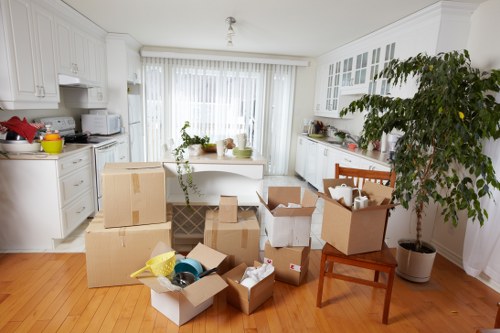
A well-planned house removal begins with accurate information rather than assumptions. The most useful details are usually the property type, the volume of contents, the number of large items and anything that could affect access. If one end of the move is upstairs, if parking is restricted or if there are items that need dismantling, those factors should be included from the start. That keeps the quotation relevant and helps avoid unnecessary changes later.
For many customers, a short summary is enough to get the process moving. You do not need to write a long description of every object in the house, but you should mention the items that are heavy, fragile or unusually shaped. If you are ready to request a quotation, this is the right point to do it. A clear outline now usually makes it easier to compare options and agree the right level of service.
If helpful, make a simple note of rooms, furniture and special requirements before getting in touch. That can include wardrobes, appliances, mirrors, storage boxes and anything with restricted access. The goal is to give enough context for an accurate response without turning the enquiry into a burden. Once the main details are clear, the rest of the move can be organised with less stress.
Removal company services and practical options
People often look for a removal company that can offer more than one way to approach a move. That may mean a full household removal, a smaller van-based move or help with selected items when the job does not require the scale of a full team. The best option depends on the contents, the route and how much handling is needed at each end of the journey. A sensible service match matters more than any fixed formula.
Removal company support can include the coordination of lifting, carrying, vehicle loading and delivery in a way that suits the move. If the household contains a mixture of furniture and boxed goods, the loading sequence can be arranged so that the most delicate or most important items are handled in the right order. That keeps the move practical and avoids unnecessary disruption.
When choosing between options, think about the size of the property, the amount of furniture and how much of the packing has already been completed. Those points are usually more helpful than vague estimates of how long a move might take. They also allow the service to be shaped around what actually needs moving, rather than around a generic description that may not fit.
Insurance, safety and responsible handling
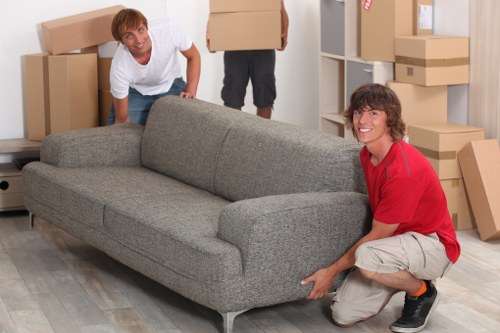
Safety is a basic part of any house removal. Furniture is heavy, boxes can shift and entrances can be awkward, so the handling process needs to be steady and attentive. We also recognise that customers want their belongings treated with care, especially where items have sentimental or practical value. A responsible approach to lifting, carrying and loading is therefore central to the service rather than an optional extra.
Insurance and safety information is useful because it helps customers understand how the move is approached and what care is taken during the process. That does not remove the need for careful packing or sensible preparation, but it does show that the work is organised with safety in mind. For many people, that reassurance is as important as the transport itself.
If you are preparing a move, check whether any item is particularly fragile, unusually heavy or awkward to move through the property. Those are the details that matter most for safe handling. A clear conversation about the contents and access points is usually enough to identify the right method and reduce avoidable strain on the day.
Quotation, timing and next steps
Quotation requests are easiest to handle when they focus on the practical facts. The number of rooms, the main furniture pieces, whether packing support is needed and any access restrictions all help create a more accurate response. If you are comparing options, it is also helpful to think about whether you need a full house removal, a smaller man and van arrangement or a service that includes packing support.
In many cases, the most useful next step is simply to outline the move and ask for a tailored price. You do not need to overstate the job or describe it in overly broad terms; a straightforward summary is better. If you are at the stage of making a decision, you can request a quotation now and use the details of the move to guide the conversation.
For a domestic move, the clearer the brief, the easier it is to match the service to the task. That means noting the property type, the larger items and any special handling concerns. With that information in place, the removal can be planned in a way that is practical, efficient and suited to the actual contents rather than a guess.