The Hyde Removals Recycling and Sustainability
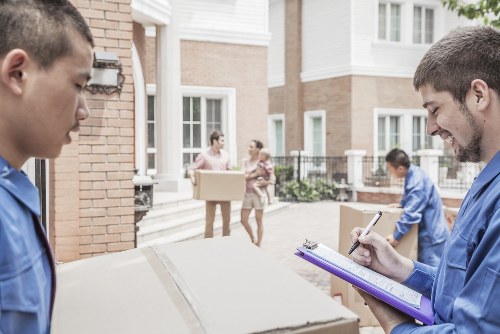 At The Hyde Removals, sustainability is built into the way we plan, load, transport, and process every move. Our recycling and sustainability approach is designed to reduce landfill, recover reusable materials, and support communities that value responsible disposal. We work with a clear recycling percentage target: to ensure that at least 80% of suitable items are diverted away from waste streams through reuse, donation, material recovery, and specialist recycling. This target helps us keep our removals recycling operations focused, measurable, and transparent.
For many households and businesses, moving day creates a mix of items: furniture that can be reused, cardboard that can be flattened and separated, metals that can be recycled, and electricals that need specialist handling. Our eco-conscious removals process starts by sorting these materials early. By separating wood, metal, paper, textiles, and WEEE where possible, we reduce contamination and improve the quality of recycling outcomes. This is especially important in boroughs where waste separation rules are strict and recyclable streams are collected differently, making careful sorting a practical part of a responsible removals and recycling service.
 We also prioritise local transfer stations to keep journeys short and reduce unnecessary emissions. Using nearby facilities means less time on the road and better control over how materials are processed once they leave our vehicles. In many boroughs, transfer stations act as key hubs for separating mixed loads, consolidating recyclable waste, and diverting reusable goods to the correct channels. Whether we are handling household clear-outs, office relocations, or end-of-tenancy disposals, our sustainable removals workflow aims to route each load to the most suitable local option rather than sending everything straight to landfill.
Another important part of our removals sustainability programme is our partnerships with charities. Items in good condition are assessed for reuse first, and where appropriate we pass them to charitable organisations that can give them a second life. This may include sofas, tables, chairs, bookshelves, household items, or office furniture. Supporting charities not only reduces waste but also helps local people access affordable goods and supports community services. It is a practical way to build a more circular removals process, where the value of an item continues long after it leaves the property.
We also focus on low-carbon vans as part of our everyday fleet strategy. Modern, fuel-efficient vehicles and carefully planned routes help us lower emissions across each job. Where possible, we group collections to reduce repeat journeys and keep mileage down. This makes a real difference in busy urban areas where stop-start traffic can increase fuel use. Our green removals approach includes routine vehicle checks, load optimisation, and route planning that supports lower-carbon operations without compromising reliability or service quality.
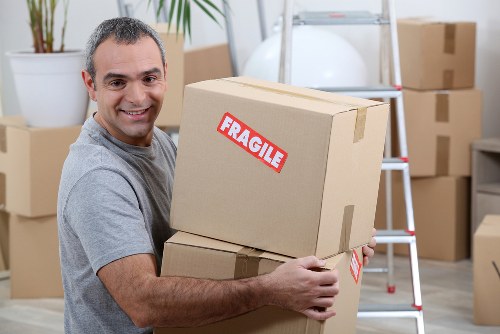 In boroughs with detailed recycling systems, the challenge is not just collecting waste but ensuring it enters the right stream. That is why our team pays attention to the common separation categories used across local authorities, such as paper and card, mixed dry recycling, garden waste, textiles, and bulky waste handling. When we carry out recycling removals, we aim to keep materials as clean and separated as possible so they can be sent to the appropriate facility. This small but important step improves recycling efficiency and helps support borough-level sustainability goals.
Our approach is also shaped by the wider principle of reduce, reuse, recycle. Before any item is treated as waste, we consider whether it can be reused in another home, repaired for further service, donated, or broken down into recyclable parts. In practical terms, that means checking wardrobes for reusable fixings, separating metal bed frames from mixed loads, and diverting electrical items to authorised processing routes. Even packaging is handled carefully: cardboard, bubble wrap, and protective materials are sorted where possible so that the recycling in removals process remains efficient and responsible.
For commercial clients, sustainable disposal can be especially important during office moves, refurbishments, and end-of-lease clearances. Desks, filing cabinets, shelving, and other fittings may be suitable for refurbishment or charity donation, while remaining components can often be recycled through approved facilities. Our sustainable removals service is designed to support businesses that want to minimise waste while keeping projects on schedule. By combining reuse, recycling, and careful transport, we help reduce the environmental impact of each clearance without adding complexity for the client.
We recognise that sustainability is not a one-time promise but an ongoing commitment. That is why our team reviews performance against our recycling percentage target, checks the efficiency of our local transfer station use, and looks for new ways to strengthen charity partnerships and low-carbon vehicle planning.  From sorting and separation to route optimisation and reuse, every stage of our The Hyde Removals recycling process is designed to support a cleaner, lower-impact future.
For households, landlords, and organisations looking for a more responsible moving solution, our sustainability standards provide a clear framework for action. We aim to make the environmental side of removals simpler by handling the sorting, the recycling pathway, and the onward destination of reusable items with care. This includes supporting borough-specific waste practices, using suitable transfer facilities, and making sure that recyclable materials are treated as resources rather than leftovers.
 By choosing The Hyde Removals, clients support a removals provider that values efficiency, responsible waste handling, and meaningful environmental action. Our recycling-focused removals model brings together low-carbon vans, charity partnerships, local transfer stations, and a strong commitment to waste separation. The result is a more sustainable removals experience that helps protect local environments while giving usable materials a second chance.